Who is Elliott Smith? That seems to the central question of Heaven Adores You. The documentary film paints itself as an “intimate, meditative inquiry into the life of the singer songwriter” and it mostly achieves its goal by not veering too far into hyperbole, idle speculation or idolatrous fan worship. Whilst it is patently clear that director Nickolas Rossi is a big fan of Smith, he does at least attempt to paint a balanced picture of the life of a complex individual who was never truly at peace with himself.
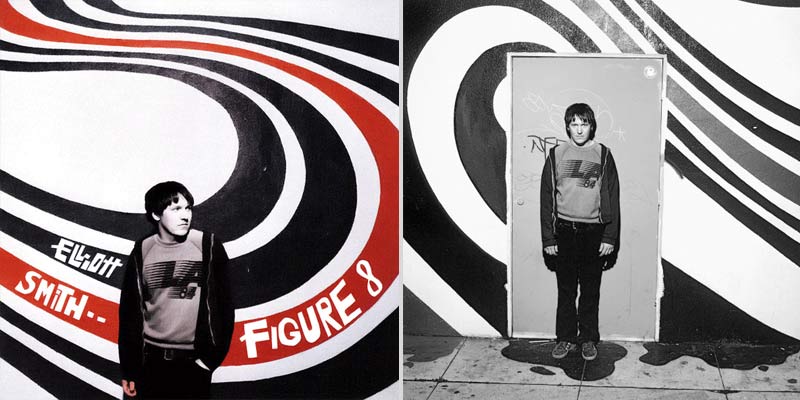
Elliott Smith was that rare breed of songwriter – a man blessed with an immense talent for creating beautiful, timeless music that really resonated with a stark, emotional clarity. His lyrics were sometimes painfully and brutally honest but he never turned away from difficult subject matter. Often, despite a tendency for some fans to interpret his lyrics literally, he would use metaphors in his songs such as using motifs of drug addiction to explore issues of codependence (‘Needle in the Hay’) or a favourite theme of his was referencing the army or using war metaphors (‘LA’, ‘Colorbars’) to delve into the ongoing battle he seemed to have with himself; an internal struggle to stay sane and well in a chaotic world.
During one of several interviews with close friends and family in the documentary, there is speculation as to whether Smith’s search for the truth in his music contributed to his inevitable slide into chronic depression, alcoholism and (later) drug addiction. The question is pondered, turned over but never really answered. Some reply that music was Smith’s saviour, his light in the darkness. The documentary hints at the true root cause of his immense struggle to survive in a world he found troubling was due to his difficult childhood, notably the relationship with his stepfather. To his credit, Rossi is not afraid to try and look at issues such as this and delve into the more complex aspects of Smith’s psyche but the problem is that we never really get any clear answers. Frustratingly, when an answer appears to be offered, it is rather glibly glazed over and pushed aside and we get a fast edit or fade into another topic or area of Smith’s life.
Watching Heaven Adores You is a strange experience because you would think that it would be something tough to negotiate. However, this really isn’t the case. It is actually a curiously uplifting experience, precisely because of the way Rossi uses gentle, lyrical tracking shots of the views above the different landscapes Smith inhabited through the majority of his career – namely, Portland (Oregon), New York and Los Angeles. This is the film’s true masterstroke. The director wants to take us on a journey through Smith’s past and, by using a voiceover that switches between that of Elliott himself as well as close friends and family, we are left with a sense of being as near as it is possible to get to the singer by way of this visual and auditory canvas. It’s a very poetic and moving motif and it helps to leave a positive imprint of Smith’s memory.
Elliott Smith is often mistakenly labelled as a morose, navel gazing, misery obsessed singer-songwriter when, in fact, he was nothing of the sort in reality. Some of his songs were low key, downbeat and dealt with difficult subject matters such as addiction, suicide and abuse, but the balance of his output was generally more up tempo than a lot of people and critics give him credit for.
Elliott Smith died far too young (34) and didn’t quite achieve the sort of mainstream success that he seemed destined for. In the latter half of 1997, after linking up with director Gus Van Sant to write a song for the movie Good Will Hunting, he received a surprise Oscar nomination for the resulting release ‘Miss Misery’. He performed the song at the 1998 Oscars ceremony in a striking white suit, which gave a massive boost to his public profile. In a lot of ways, this sudden public scrutiny and being bundled into the headlights like a startled rabbit may have precipitated his downfall as he struggled to handle the pressures that it bought. He was in demand, was quickly signed to a major new record label (Dreamworks) and expected to deliver the goods.
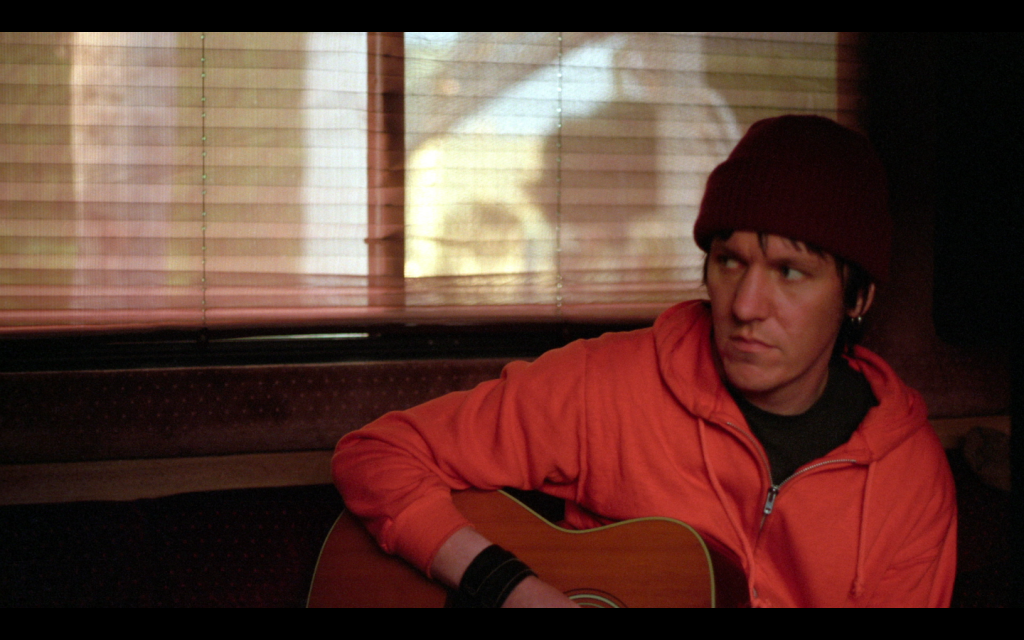
In the Pearl Jam song “Immortality” Eddie Vedder utters the line “Victims in demand for public show”. Elliott Smith was a victim of his own public show. In one of the final songs he wrote before he died – A Distorted Reality is Now a Necessity to be Free – Smith sings:
fit poorly and arrange the sight
dollared up in virgin white
A reference not only to how ill at ease he felt in the artificial glare of the Oscars spotlight, but also the bright lens of fame overall. He was a man who didn’t belong in that world.
Heaven Adores You starts off asking the question: Who is Elliott Smith? It ends up answering the question – Who was Elliott Smith? The distinction is important, but the truth revealed is a half truth, clouded in uncertainty. Like a sketch that’s incomplete, Elliott’s life and work showed us something of himself that was tragic, deeply sad and, at times, difficult to fathom.

“It’s just, I’m the wrong kind of person to be really big and famous,” Elliott once said to a Dutch interviewer. And whilst that may have sounded odd to the public watching on at the time, a public that is used to seeing celebrities grow big and adapt to the limelight, for Smith and, most importantly, his friends, they knew the real story behind this statement. A story that ‘Heaven Adores You’ lays bare for all of us to see, even if it doesn’t quite give us the complete picture.
Director: Nickolas Dylan Rossi
Stars: Madonna, Gus Van Sant, Conan O’Brien, Rossie Harris, Elliott Smith, Jon Brion
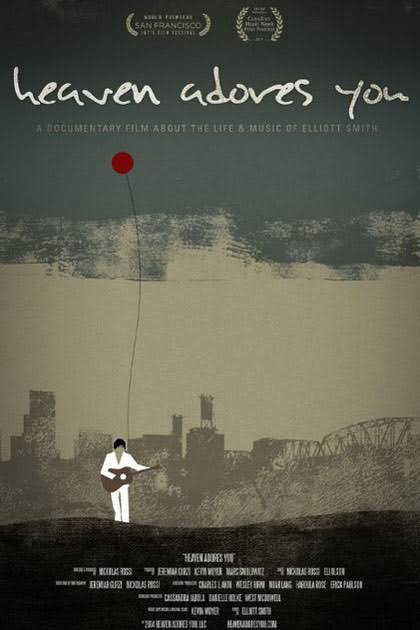
‘Heaven Adores You’ is available on DVD and Blu-Ray from all good internet retailers such as Amazon.co.uk
Leave a Reply