Disposable Media

Art, Music, Games, Life

  • Art And Literature
    • Comics
  • Music
  • TV & Film
  • Games
    • Tabletop Games
  • Technology
  • Life
  • Events
  • Magazine Downloads
You are here: Home / Archives for Reviews

Radial Impact Review (Steam)

26th October 2015 By Qazimod Leave a Comment

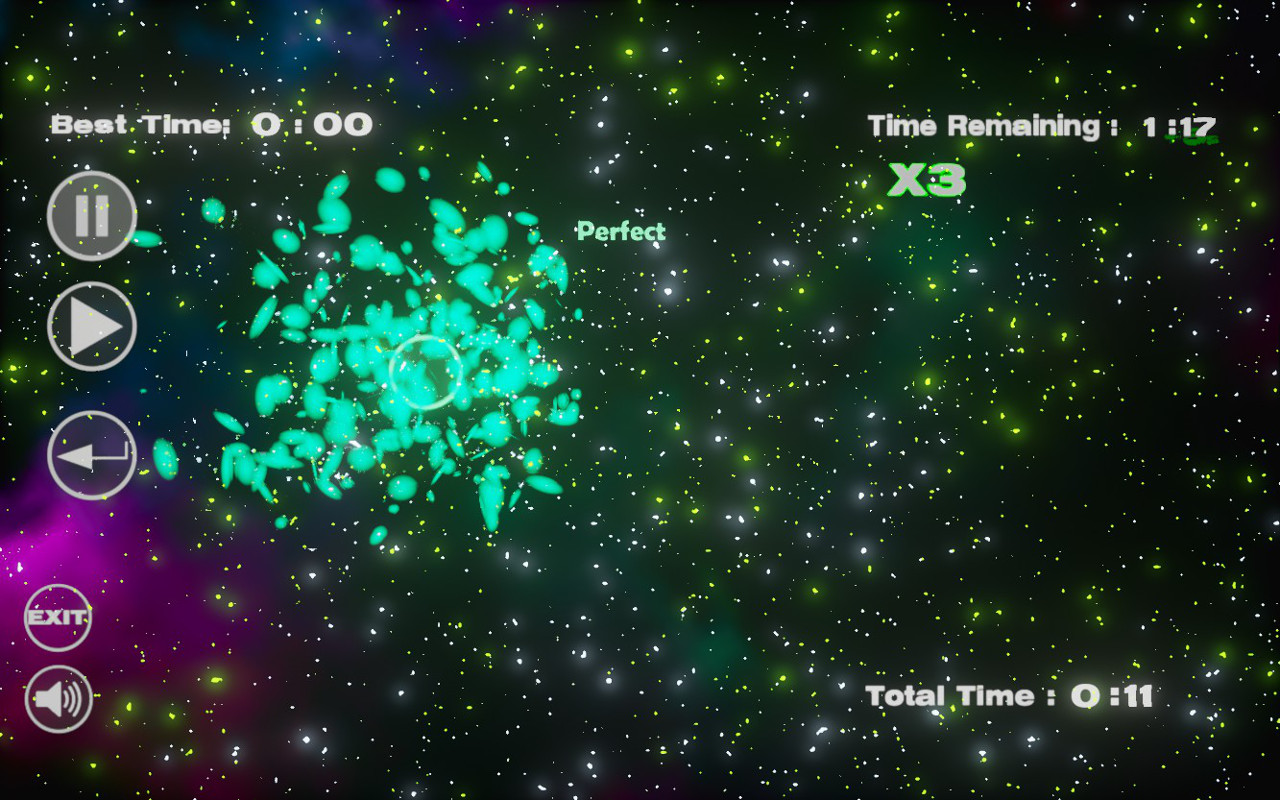
Released in late July of this year, Radial Impact is an arcade-style downloadable title that tests players’ reflexes by challenging them to click rapidly expanding or contracting circles as they come into contact with a second circle of a fixed size.

It’s a style of gameplay that sounds similar to rhythm-action games such as Elite Beat Agents or Technic Beat, but Radial Impact feels like a fairly hollow experience compared to those games. For one thing, Radial Impact isn’t really a rhythm-action game. Yes, there is background music and the timing of your clicks determines how successful you are, but when the circles grow or shrink to meet with the fixed circles, they do so with no regard to the game’s soundtrack. Far be it for anyone to criticise a game for what it’s not, but when you see that there’s no relationship between the gameplay and the music, what you’re left with is a reaction test. Consequently, the whole MO of the game is ‘click the circles when they meet for a high score’ and you end up feeling like you’re taking part in some kind of neurological exam.
radialimpact2

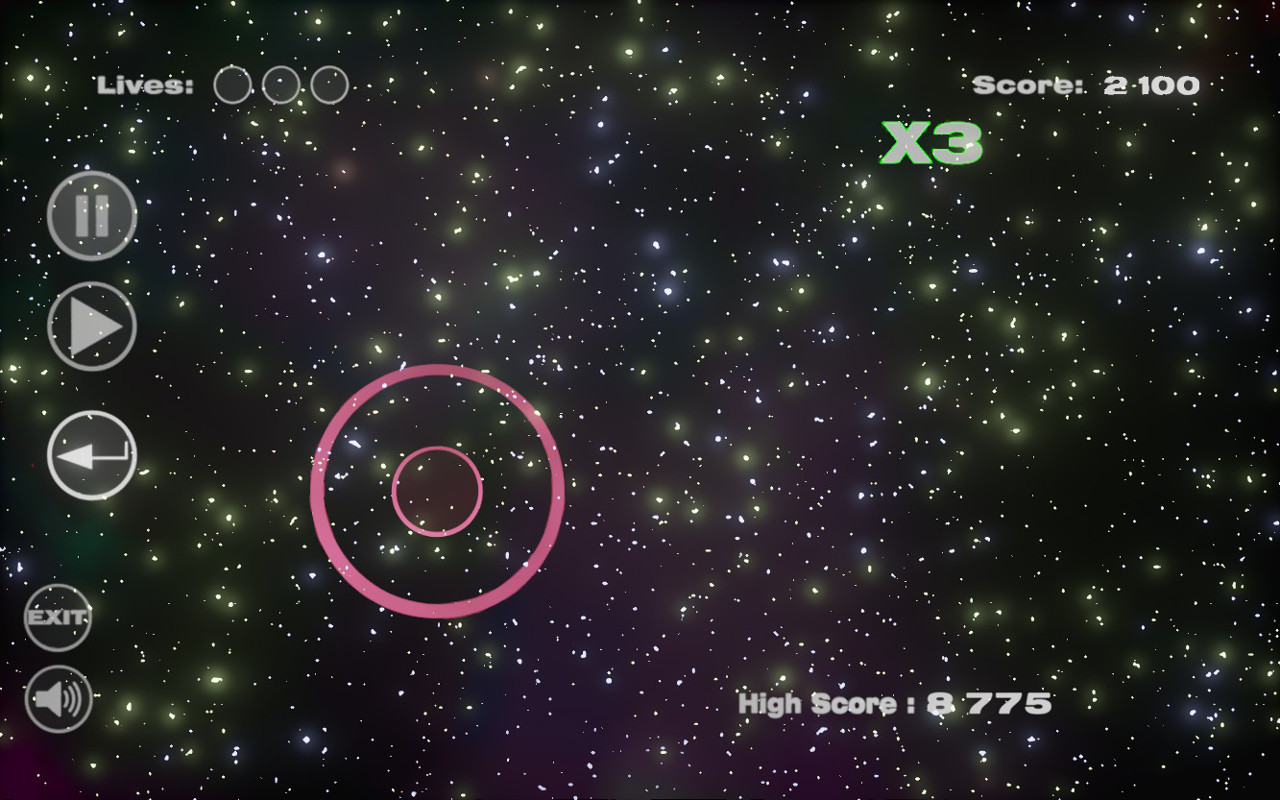
Depending on how good your timing is when you click, you are rated “Perfect”, “Excellent”, “Good”, “OK”, “Bad” and – if you mistime your clicks entirely – “Miss”. Consecutive perfect clicks will increase a score multiplier, whilst anything less than perfect resets the multiplier to x1. Meanwhile, a bad click or a missed click costs you one life and when three lives are lost, the game is over. There is also a special time-slowing ability that you receive after five perfect clicks in a row, but the varying speeds at which circles expand or contract mean that there’s never a good or bad time to use the ability.

Outside of the main game, There are a couple of other gameplay variants available. “Time Trials” mode sees you playing against the clock and earning extra seconds with well-timed clicks. In the other available mode, “Waves”, you are given a fixed number of circles to click and a score target to reach before you run out of circles to click.

Whilst the opportunity to play different game modes suggests that there’s some variety in Radial Impact, you’re actually doing exactly the same thing in all three modes – the ‘win’ condition is the only thing that’s changed. If there were game modes where the circles faded to become invisible before they met, or pairs of circles moved around the screen as they grew or shrunk together, or circles had randomised lengths and widths that made them look like skewed ovals… well, any of these hypothetical changes would make the moment-to-moment gameplay feel slightly more varied and interesting. Instead, the three available modes are more or less interchangeable. You could recreate the Time Trials and Waves modes are both variants without the game offering you to them, provide you have a stopwatch to hand and can count in your head.
radialimpact3

Maybe I’m expecting a little too much from what is essentially a 79p downloadable indie game, but low prices don’t make shallow games any more enjoyable. Whilst there’s nothing inherently flawed or frustrating about Radial Impact, it doesn’t have enough variety or substance to hold the attention of the player for too long. You can see most of what the game has to offer in a matter of minutes, and after that you’re only going to go back for higher scores. I struggled to see much variety in the visual presentation or the soundtrack as I played and so there isn’t even any kind of sensory reward for keeping a high-scoring combo going. It’s nice that Steam has enabled these kinds of abstract arcade-style games to sit alongside conventional shooters and strategy games but this style of game could be done so much better. Ultimately, Radial Impact feels like a missed opportunity.

Priced at £0.79, €0.99 and $0.99, Radial Impact is available now on Steam.

Filed Under: Games, Reviews Tagged With: casual, indie, pc, radial impact, steam

Meet Pursuit Delange Review

24th October 2015 By Dan Thornton 2 Comments

Meet Pursuit Delange is a very special British indie film. It doesn’t feature cockney gangsters, period costumes, or a grim depiction of working life in the North. Instead it’s a semi-autobiographical, occasionally surreal, very British, musical comedy which combines a quality cast with heartfelt passion.

Set in the London district of Kew, the film follows the trials and tribulations of lead character Pursuit Delange (Played by Ben Starr) and his friends Jonty Smith (Jason Flemyng) and Charles Itchy Forrester (Robert Portal).  Written and directed by Howard Webster, the film is loosely based on his own experiences and a semi-biographical column he used to write under the same title. It’s been a labour of love for two years to make the film, and the quality of the cast and cinematography do a great job of masking the fact the film was made on a very low budget.

Meet Pursuit Delange Trailer

The titular Pursuit has spent years attempting to write and sell a novel, and in the meantime has set up residence in a ramshackle groundsman’s hut at Kew Cricket Club with private school chum Jonty, who mainly spends his time stoned. Itchy Forrester attempts to help him with a job as a trainee journalist which involves tricking veteran actor and celebrity Sir Edward Mead (played by Peter Bowles). And in the surreal ensuing chaos, there’s an incident in a phone box, a death caused by knock-off viagra, some surprisingly philosophical musings on life, a smattering of musical numbers, and a male Bull Mastiff named Audrey. And appearances by brothers Richard and Fred Fairbrass, better known as Right Said Fred.

With so many elements to fit into the running time of 108 minutes, the various plot threads are held together by the performances of relative newcomer Starr and the experienced Portal, whose Forrester character is lifted above a stereotype by both circumstances and some of the funniest, most scathing, and quotable lines of the film.

Those lines demonstrate some of the highlights of the film, which provides some great comedy set-pieces and great dialogue to accompany them.

MEET PURSUIT DELANGE – TRAILER (2015) from Howard Webster on Vimeo.

The most common comparison will inevitably be Withnail & I, which also combined a talented cast, English comedy and an element of debauchery.  And both follow a somewhat episodic structure which in the case of Meet Pursuit Delange, is based on the chapters of the book which seems could inevitably be produced by Pursuit following the closing titles.

If you’re not a fan of musical numbers, then you should still find plenty to enjoy. The soundtrack is not only well composed by Grammy Award winner Tim Garland, but the lyrics relate back to the overall theme of the film, which is that ‘it’s not what you do, it’s why you do it’. That philosophy seems particularly insightful when it’s delivered by British acting legend Peter Bowles. There are potentially some interludes which slightly outstay their welcome, but nothing that detracts too much from the film overall.

The cast also includes a range of talent including Tom Chambers, Larry Lamb, Stephanie Leonidas, Colin Salmon and Hannah Waddingham. And the London setting of Kew also plays a large part, with some great choices of both locations and cinematography highlighting the setting.

There are some elements which feel slightly under-explored. The presence of Richard Fairbrass as a guardian angel, and a dream sequence/spiritual intervention both feel like they could have been either expanded or cut. But given the ambition and accomplishment to pull off a genuinely interesting and entertaining film, it’s easy to forgive potentially 2-3 minutes of somewhat extraneous material.

Having been selected for both the Crystal Palace International Film Festival and the Bahamas International Film Festival, there seems to be increasing interest and the film. It was already the hit of the Raindance Film Festival with an additional screening required due to demand.

And it’s not surprising given the cast, the quality of some of the dialogue and situations Pursuit finds himself in, and the fact that a truly uplifting and entertaining British independent musical-comedy is an incredibly rare thing.

4.5/5

Meet Pursuit Delange will be shown at the Crystal Palace International Film Festival (Nov 6-28, 2015) and the Bahamas International Film Festival (Dec, 2015). For more information on screenings and releases, check out the official movie website www.pursuitdelange.com

Filed Under: Reviews, TV & Film Tagged With: Ben Starr, Howard Webster, Jason Flemyng, Meet Pursuit Delange, Robert Portal

Kickbeat Review (PS+)

13th October 2015 By Qazimod Leave a Comment

A fighting-themed rhythm-action game isn’t the most ridiculous concept pitch – after all, a good movie fight sequence will have rhythm and choreography, and there are martial arts such as Capoeira that blend dance, acrobatics and music and look great until they meet a less flamboyant but more effective approach to beating someone up.

Similarly, Beat ‘Em Up combos require a sequence of motions and button presses with timing that equates to the requirements of Gitaroo Man or Dance Dance Revolution. So who would fill the gap in the market for a music game in which you’re rewarded with an onscreen avatar busting out kung fu moves to send unsuspecting opponents flying? Enter Kickbeat.

Kickbeat

The fighting-themed rhythm game recently found its way into the PlayStation Plus freebie selection, but it had already piqued my interest upon release, making it the perfect time to finally satisfy my curiosity about the intriguing concept.

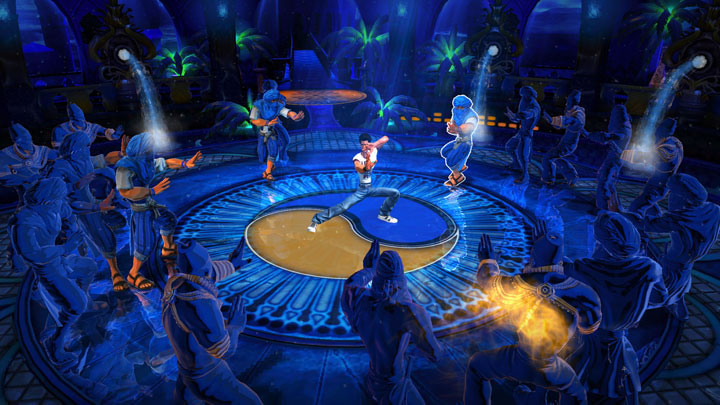
Each level sees your character stood in the centre of an arena with a crowd of foes circling around you. The people at the outside of the crowd wait in the shadows whilst the ones that require your immediate attention are more prominent on the screen.

One foe will have a white highlight around them, indicating that they are the next opponent to be attacked, and once they walk onto one of the button symbols superimposed on the arena floor, that symbol lights up and the player hits the corresponding face button to make their character kick the foe offscreen. Chaining together enough successful button presses allows the player to activate a multiplier, whilst missing a beat will drop the combo.

Foes are handily colour-coded – yellow enemies follow the base rhythm of the song, blue enemies enter the arena more rapidly, and red enemies enter simultaneously, requiring more than one face button to be pressed at once. It’s a nice way to keep gameplay varied throughout the song, but once yellow foes are replaced with blue ones it can be hard to tell that you’re now following the rhythm of the vocal syllables rather than the rhythm of the percussion (for example).

Another slight issue I have with the game is that the button symbols aren’t really animated that much when opponents step onto them – they are either lit up, or not, and you have to observe the movements of the crowd to gauge your timing. I appreciate that having Technic Beat-style circles radiating out from the centre of the button symbols might look a little bit ridiculous, and I understand that observing the crowd movement is part of what makes the game so unique, but that little bit of extra visual information helps a lot in a genre that relies on timed button presses so much.

Aside from the gameplay experience, the music selection in the stages I played seemed skewed towards nu-metal and similar genres, with songs from Marylin Manson, Celldweller, Rob Zombie and P.O.D. They’re all fairly decent tracks in their own right, but they’re not really what I expected in a fighting-themed rhythm game. Maybe some lively techno or “cinematic rock” (think ES Posthumus’ “Pompeii”) would bring a bit more energy to this kind of gaming experience, because from what I played of the game it doesn’t feel like you’re taking part in an epic 200-man karate battle; it feels like you’re fending off a circling moshpit that just wants to consume you entirely – with Papa Roach’s “Last Resort” being the final thing you hear as you fall unconscious.

Kickbeat is a great idea that deserved a better game. If the soundtrack had some more appropriate tunes and the cues for button presses were a bit clearer, it could be a fun (if still slightly niche) rhythm-action title. Unfortunately, it disappoints more than it entertains, and there are far more immediately enjoyable music games out there.

Kickbeat is currently available for free during October for PlayStation Plus members

Filed Under: Games, Reviews Tagged With: kickbeat, music games, PS4, rhythm action, vita

Batman: Arkham Knight Review (PS4)

11th October 2015 By deKay Leave a Comment

There’s a point just a few hours into Batman: Arkham Knight when you’re challenged to take the Batmobile onto a roof, and make it jump across the top of buildings to reach some kind of electrical panel. Even within the realms of a comic-book based game and the gadgets Bruce Wayne regularly employs, it’s a bit ridiculous. Even with the acrobatics of the Batmobile in recent films, it’s still not exactly what you’d expect. And makes you fear for the rest of the game.

BATMAN™: ARKHAM KNIGHT_20150927215726Thankfully it didn’t get any sillier. Sure, there were a few car-based acrobatics later on, but those – such as lowering it down the wall of a giant fan shaft – seemed to fit. By that point you’d come to accept that the Batmobile is essentially a tank capable of scurrying around like a spider. Rather than a bat.

BATMAN™: ARKHAM KNIGHT_20150914223231Gritty and weighty like previous Arkham games, but bigger in scope than the rest put together, going into Arkham Knight was a torn experience. As great as Arkham City was, it was too big, too dispersed and less focussed than Arkham Asylum. The core was the same, but fragmented over a wide area. More Batman, on a current gen console especially, was something to look forward to. The nagging doubt it would be spread even more thinly was a worry. Do you remember how many times you visited the same damn steelworks before, despite having a massive city to play in? Aside from Riddler trophies, much of Arkham City was empty. Not so here, which was a relief.

In common with past Bat-outings, the story progresses through set pieces: detective sections, brawls, predator take-downs, boss ba…oh wait. No boss battles? Perhaps Rocksteady realised those in City were almost universally rubbish and ditched them. You still have to confront and defeat major foes, but by other means instead. It actually works well and you don’t miss them.

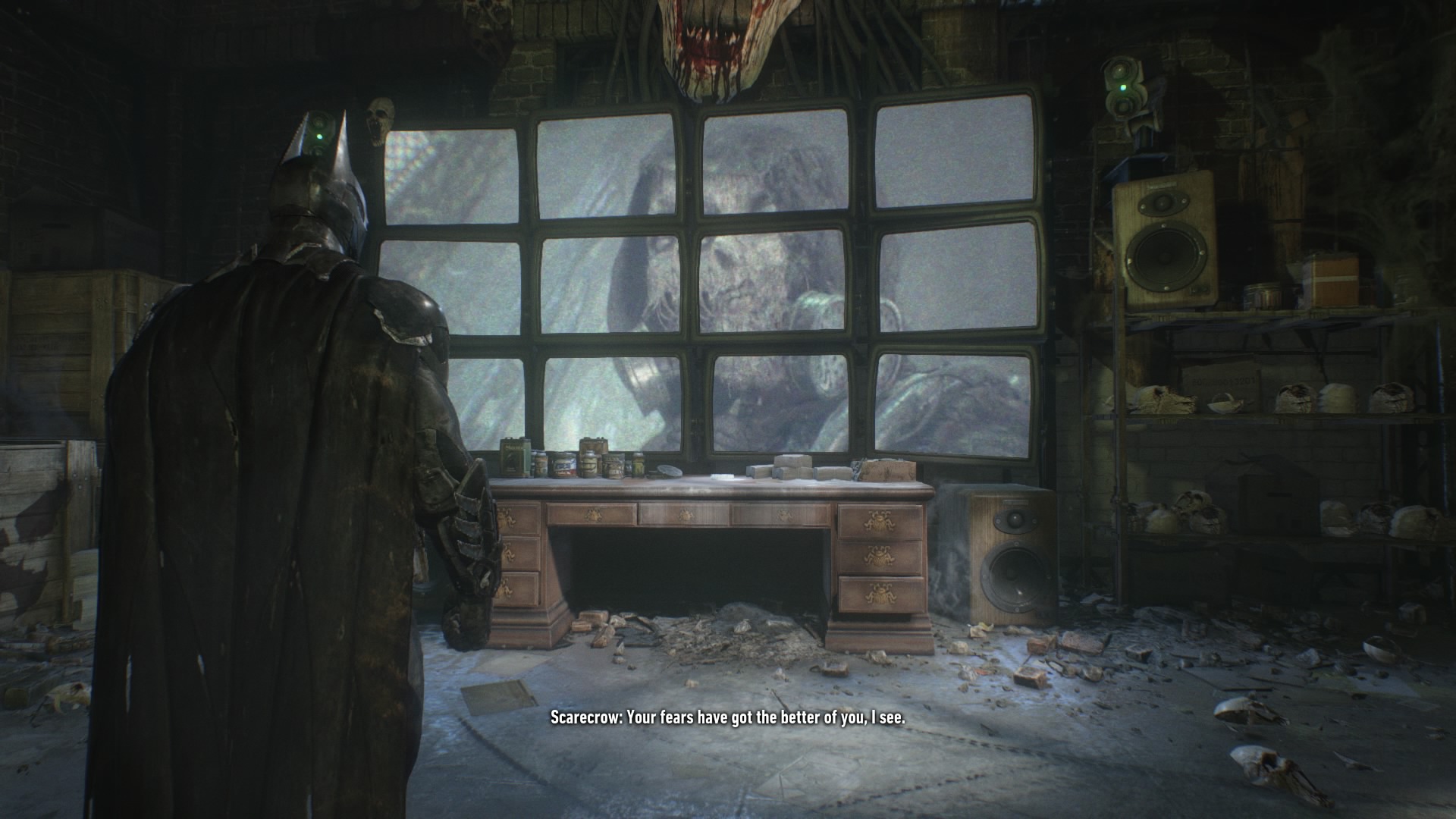
BATMAN™: ARKHAM KNIGHT_20150919212246As you work towards taking down the Arkham Knight himself (finding his true identity along the way – I managed to guess before the game gives you a massive clue) and Scarecrow, the usual Batman events I’ve mentioned pop up. In addition there are now tank battles. The Batmobile, impossibly, is used to take out the Knight’s army of drones, rocket launchers, cannons, helicopters and what appear to be mechs. Of course it is. Surprisingly, these battles are actually a lot of fun, and there’s an entire side quest devoted solely to them. In fact, almost every one-off task in the main game has a side quest full of that sort of event. Take down a watchtower (Assassin’s Creed Borgia style), and there’s a load more if you want. Like detective work? Why not find out why a load of bodies are literally hanging around Gotham. And so on.

BATMAN™: ARKHAM KNIGHT_20150912211226These seemingly optional side quests turn out to be essential for completionists. In all, there are 14 or so of them, with many terminating in the capture of a major Batman foe (Penguin, Two-Face, etc.). Once you’ve finished the main story in the game, it turns out you haven’t actually finished the main story at all – you have to complete at least 7 of these “optional” quest lines. It felt like a bit of a letdown. The quests are mostly fun, some more than others, but it was disappointing to finally overcome Scarecrow only to be unable to finish the game because some lesser crimes haven’t been resolved.

In fact – when you beat Scarecrow the game just carries on. If you want the satisfaction of the end credits, then you need to complete at least 7 supposedly optional side quests. And to get the full-on, proper ending, you’ll need to complete all 14.

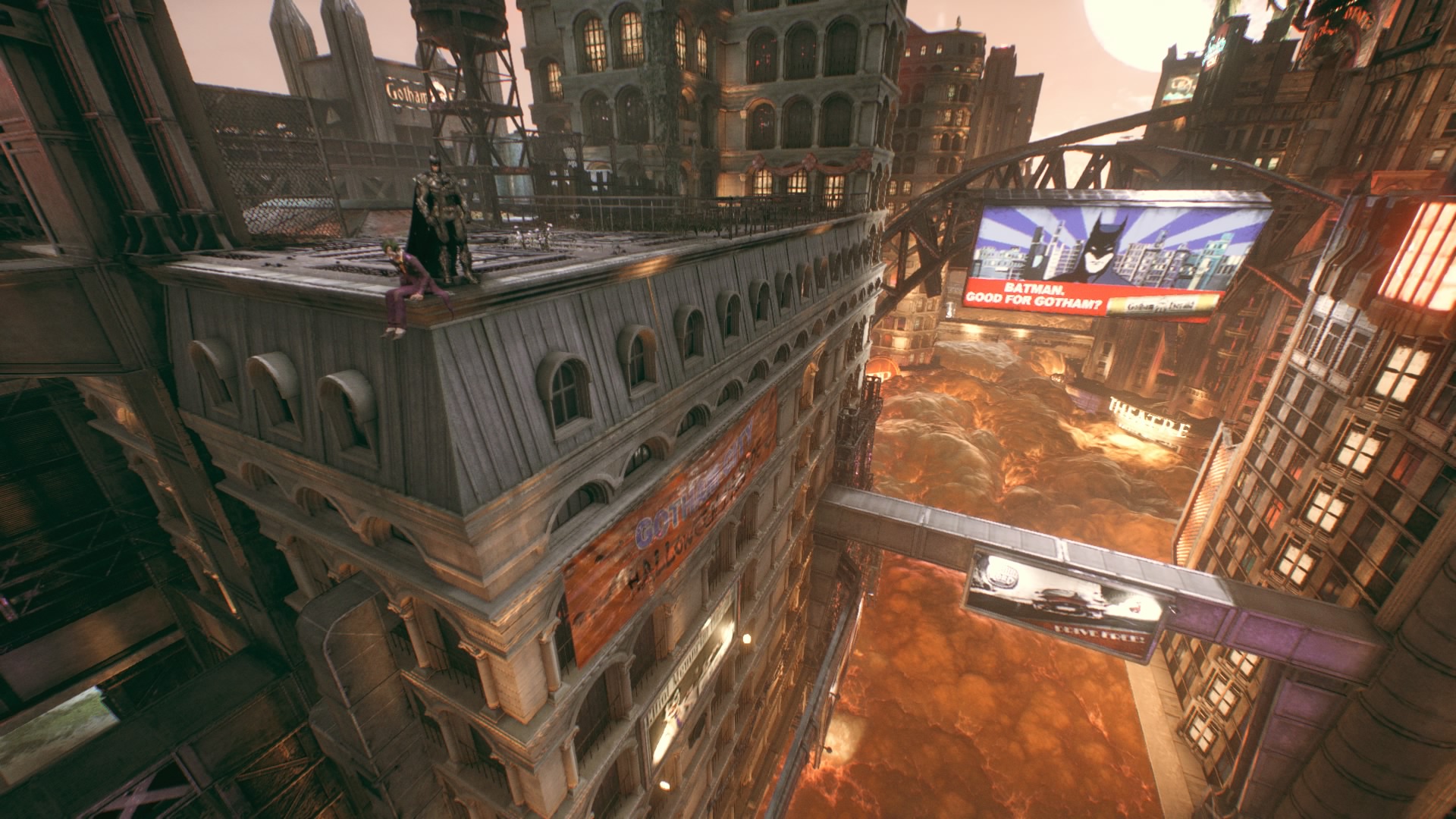
That’s the structure of the game, but how does it actually play? Gloriously. The combat is meaty. The driving is a welcome addition. Wiping out an entire room of armed guards without a single one spotting you is a fantastic as it ever was. Soaring over the city is never less than stunning. Batman’s array of gadgets are a joy to wield and integrating his car into some of the combat is a master stroke. Gotham feels so much more alive than in previous Arkham titles, with something happening on every corner and car chases going on all the time – which you can assist in, should you choose.

It must also be said that the voice acting is fantastic, especially Mark Hamill as The Joker: Yes, that’s a spoiler. No, Joker is still dead. Yes, it’s confusing. There’s a scene where Mr J does his karaoke routine which is hilarious and grim in a way only the Joker can be.

Despite the cast of potential allies, Arkham Knight is very much a solo Batman endeavour. Robin is constantly told to stay out of it and Batman reluctantly lets Nightwing actually do something as long as it’s nothing to do with the main story. Oracle is central to the plot, but Catwoman is now tucked away in a Riddler sub-story. Scarecrow is playing on Batman’s only fear – that revealing his identity will hurt his “family”, but in trying to protect his friends Bruce is only getting them in more trouble. Silly Bruce. Much of the game would have been avoided if he’d accepted help when offered. Still, that’s Batman for you.

With the story complete and enough side quests mopped up to see the ending, there was a little sadness. Rocksteady have already said this is their last Batman game, and as the end credit roll the montage of moments from all three Arkham games (Rocksteady don’t consider Origins or Blackgate canon it seems) retell the trilogy. It’s been a long road, but that’s it. No more Batman to look forward to from that corner, and it’s hard to see how any other Batman game can be as Goddamn Batman as Arkham Knight was. Arkham Asylum was purer, but Knight was truly an epic sendoff.

Filed Under: Games, Reviews Tagged With: Arkham Knight, Batman, PS4, review

Point Perfect Review

3rd October 2015 By Chris Walton Leave a Comment

You can image how Point Perfect might have been conceived.

Sat staring at a computer monitor with nothing to play, or waiting for something to happen. You gaze idly at the mouse cursor as you move it around the screen. Perhaps you click on a few things or drag big rectangles, and then inspiration hits – “What if this was a game?”

And so the unique feature of Point Perfect springs into life. The spaceship of most shooters is replaced with your mouse cursor. Rather than passing above objects, the pointer becomes a physical object inhabiting the same space as obstacles and enemies, leading to collisions with both.

This leaves you with a sole method of defence. The only way to repel enemies is by selecting them in groups. So as the ships and so on fly in, you’re tasked with surrounding them with ‘bounding boxes’ before they have the chance to do whatever it is they intend to your otherwise unarmed cursor.


This slideshow requires JavaScript.

It’s a novel and fascinating concept that takes a while to get accustomed to. Even then, you’ll probably still suffer from momentary lapses in concentration and foolishly plough your ship into something that you were trying to go through instead of around. Having this cognitive dissonance as part of the central game mechanic is what makes Pitch Perfect so stressful as well as exciting.

Point Perfect is a game produced for a specific controller. You could say that it’s similar to the stylus control experimentation behind early Nintendo DS titles. It definitely works, as long as you have adequate mouse and motor skills. You might even find you improve your mouse handling on the route to point-y perfection.

It won’t be easy though.

Even when not taking my own stupidity into account, Point Perfect is very difficult. However, that difficulty doesn’t come from unfairness.

The gameplay is quite logical and consistent, without relying on cheap tricks. With procedurally-generated enemies following different flight paths, it means you can’t rely on the memorisation that guides you through most shoot’em ups. Only boss battles tend to stick to certain patterns. That unpredictability means you’re in a constant state of reaction, rather than being able to prepare for the next offensive. It does keep the game fresh, yet also maintains its challenge.

This slideshow requires JavaScript.

If Point Perfect has a flaw, it’s due to the nature of the game and control method dictating a lack of variety common to many shooters. But the large roster of bosses and a couple of secret stages offer enough change to keep the game compelling, and there’s enough overall to keep you motivated to come back to what is essentially a score attack game. Still, you probably won’t see most of it. You’ll be dead, mocked by the game for your lack of skill!

The game is graphically presented in a pixellated retro style that is slightly more complex than true 8-bit graphics. And it’s complimented by ’80s chip-tune style music which unfortunately gets fairly repetitive. The tunes do evolve a little if you’re good enough to reach past the initial stage of each game, but not enough to avoid becoming overly familiar.

Stylistically, the Point Perfect mostly references internet trolls, on-line PC gaming and some classic ’80s retro games. Er, and some good old weirdness! It’s actually interesting that the game manages to share the spirit of 8-bit classics quite so well too, since the core concept of the game is quite new.

This slideshow requires JavaScript.

Point Perfect also is a bit basic in terms of guidance and online features. No instructions are included, so you have to figure things out for yours. Some might say that the game is holding true to its ‘old game’ inspirations right there!

But it’s harder to justify the big omission of online high score tables, which would add competition and more of a replay value to the game. And there are no sensitivity options – which means everyone has the same experience but might frustrate some players. The Steam version does achievements and trading cards, which means when there’s a sale, the game could almost pay for itself!

Overall, Point Perfect is definitely worth checking out if you’re a fan of difficult challenges and unique gaming experiences – as long as you don’t mind a game hitting back with some on-screen mockery! It’s overall a stressful, frustrating and also compelling experiment that works rather well. For a certain type of player. Those who aren’t interested in a game style that leads to a gradual improvement of skill or beating high scores won’t find much of interest here.

Not entirely drawn in by this type of game, I’d rate it at 6 out of 10. A more experienced Shoot’Em Up fan or someone prepared to take on the difficulty challenge will probably get more mileage out of the unfortunately solo experience.

Given the history of ‘Point ‘n’ Click’ Adventure games, it certainly deserves some recognition for bringing a new ‘Point ‘n’ Drag ‘n’ Click’ experience to shooters.


Point Perfect is listed at £4.49 on Steam for Windows or Mac.


Filed Under: Games, Reviews Tagged With: mac, pc, point perfect, review, shmup, shoot 'em up, steam

Deus Ex Machina 2 (PC)

1st October 2015 By deKay Leave a Comment

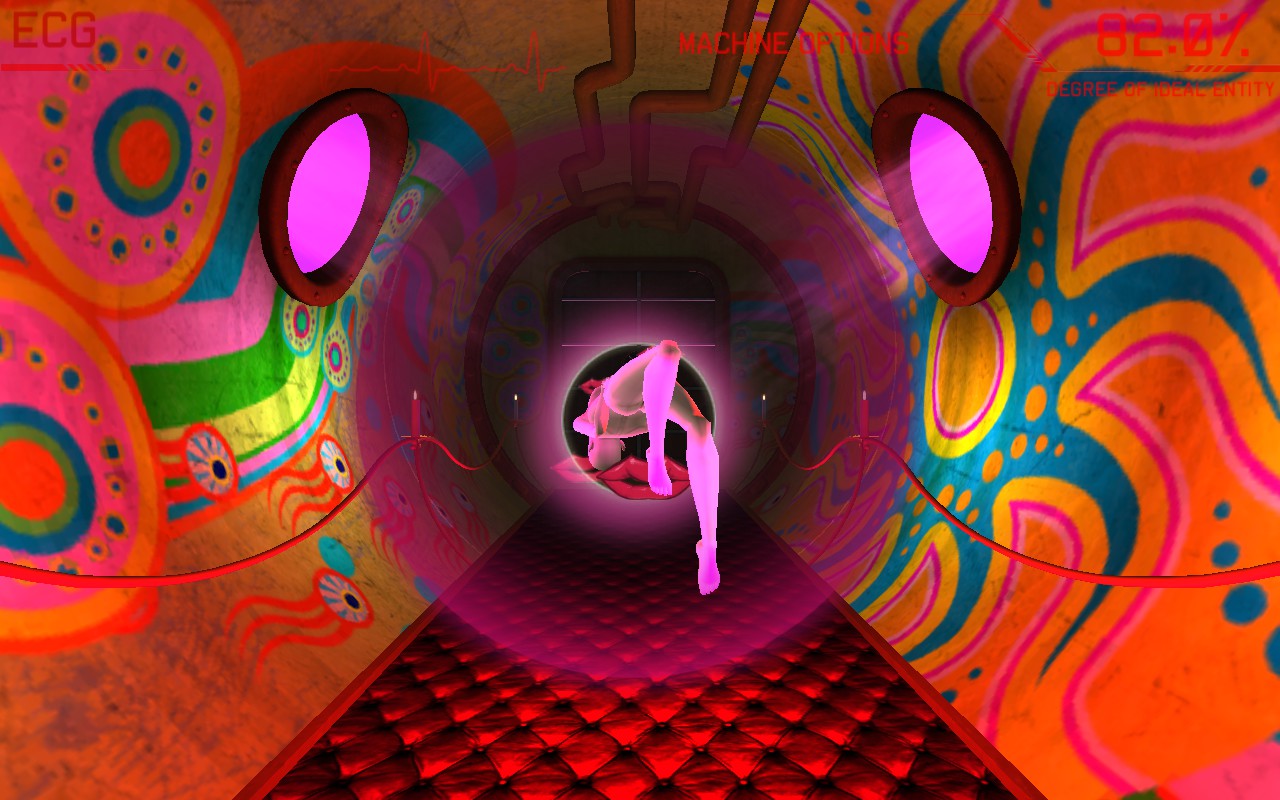
2015-09-23_00006Way back in the primordial past, when games were made from rocks and cost as much as a family car to buy, there was a game called Deus Ex Machina. I’ve never played it. I’ve read a lot about it, none of which makes any sense. From what I can discern, it was more an experience than a game, and consisted of some minigames that you played while listening to an audio tape. Because, of course, voices in early 1980s computer games were limited to “HNNGHSLUMMMNDMUH” (“he slimed me”) in the Ghostbusters game.

2015-09-23_00010A couple of years ago, the creator of Deus Ex Machina (note the “Machina” bit – this has nothing to do with any cyberpunk first person shooters), Mel Croucher, Kickstarted Deus Ex Machina 2. I gather it’s actually more of a re-realisation of the first game than a real sequel, using today’s technology to create what he imagined the game to be in the first place. Probably.

This week, it was cheap enough to be virtually free on Steam, and since I had credit gained from selling trading cards, it actually was free to me, so I bought it. I had no idea what I was in for. Having completed it in just over an hour, I’m still not entirely sure.

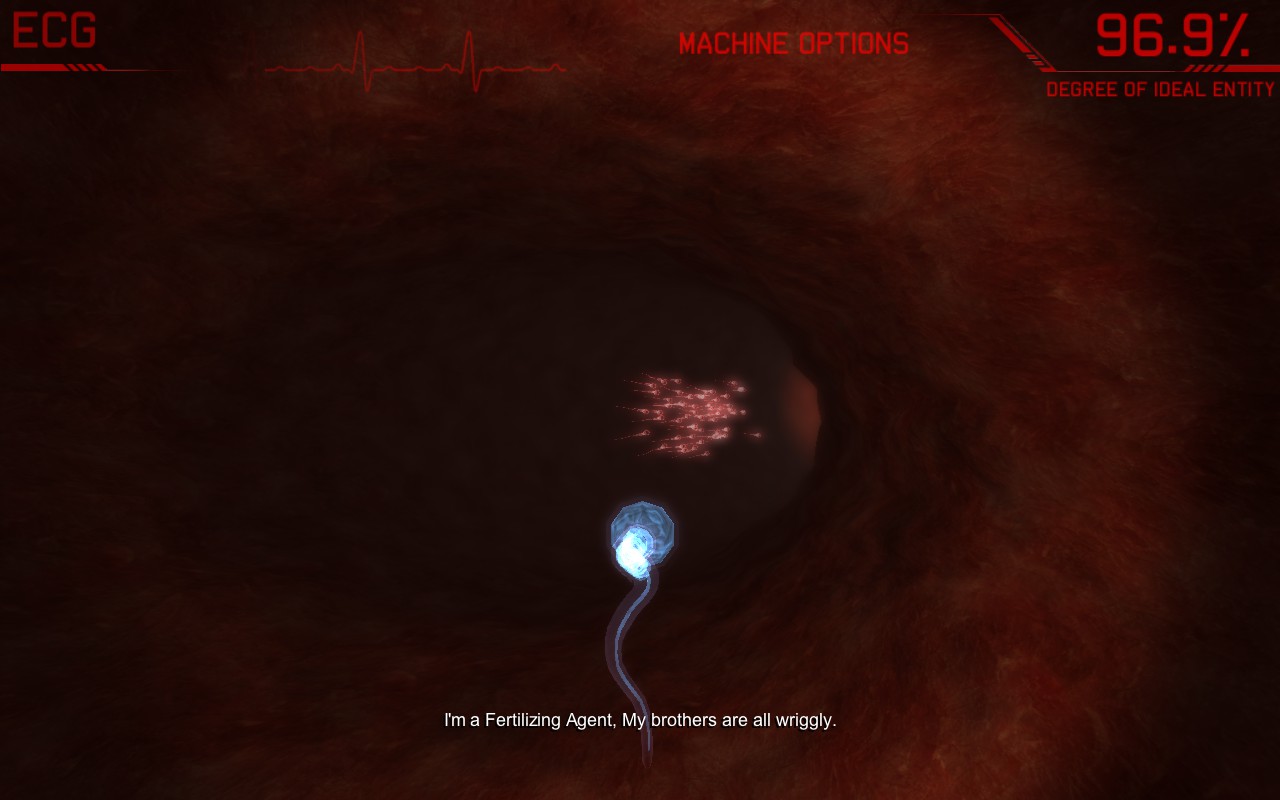
2015-09-23_00016There are several chapters, each covering a different stage in a person’s life. Conception, birth, growing up, puberty, and so on until (and past) death. Christopher Lee poetically narrates the story, and each chapter has a fantastic and differently styled musical track to accompany it. Notably, Ian Dury provides lyrics and voice to some of these, despite having been dead for over a decade. I suspect his recordings from the original game were reused.

It’s the music and narration that make Deus Ex Machina 2, as both are genuinely outstanding. Croucher’s clever verses make some great tracks, and the vocalists and musicians make music I’d happily buy on an album. Lee’s voice fits excellently as well. Unfortunately, the game doesn’t match up.

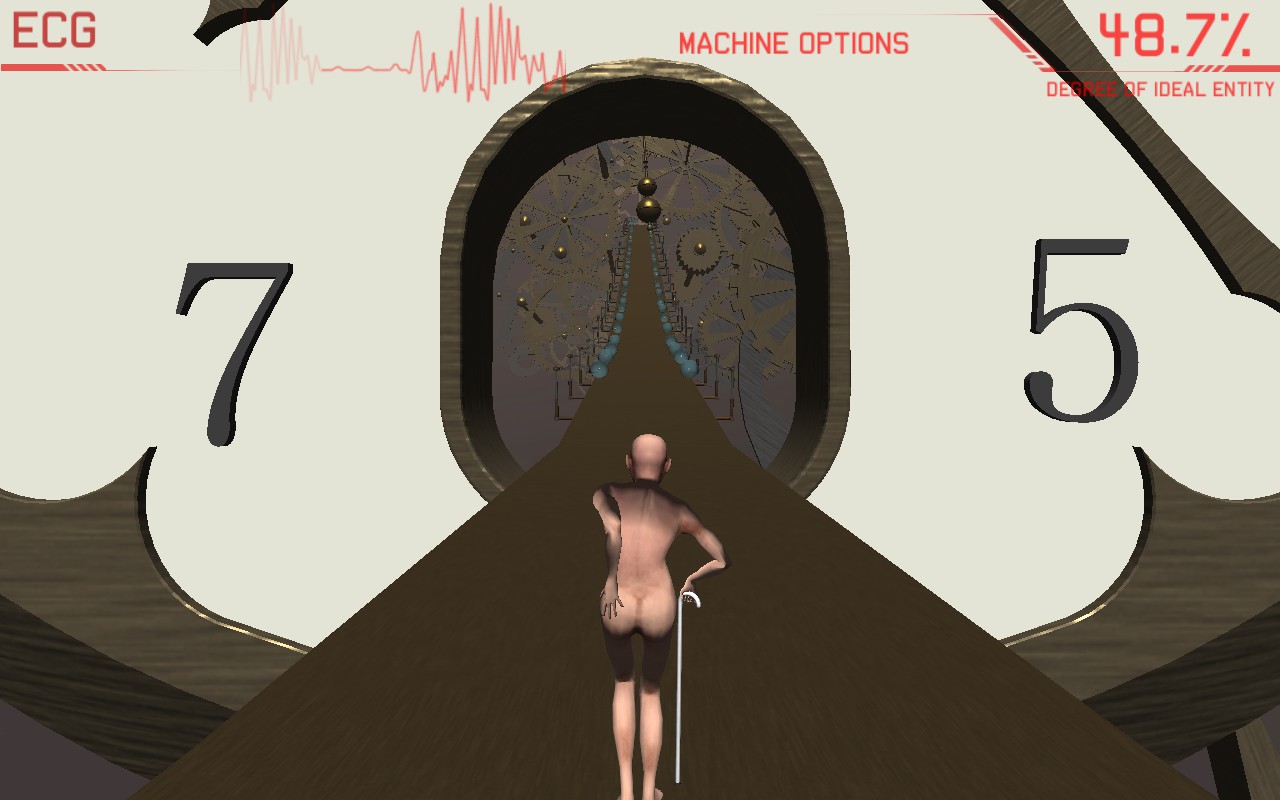
2015-09-23_00020Of course, I say game when I really mean experience. Each chapter mainly involves your naked avatar walking, floating, and sometimes running, into the screen. You can vaguely direct either him or something else on the screen in order to collect or avoid various things (kisses on one level, medicine on another). As you do so, your “degree of ideal entity” score goes up or down apparently in tune to what you’ve collected or avoided, although it is not always obvious which way it will go. I suspect it doesn’t matter; mine was bumped up to almost 100% through a successful egg fertilisation, but dropped heavily when I chose the non-warmongering options in a later section. Who knows what difference it makes to the ending.

As I said, your avatar is usually only vaguely directable so your impact on his path and ultimately his score feels disconnected. It’s clear you’re going to complete the game any way you play, even if you chose not to control your man at all. It seems a bit pointless, but it’s so worth playing. Sorry, experiencing. That music.

Filed Under: Games, Reviews Tagged With: deus ex machina, pc, steam

Glass Wing Review (PC)

24th September 2015 By Marcus Alcock 1 Comment

Creators FSS Software touted Steam indie title Glass Wing as a conscious homage to classic Nintendo 64 mainstays like Super Mario 64 and Banjo Kazooie. And on first impressions, the game certainly lives up to that billing.

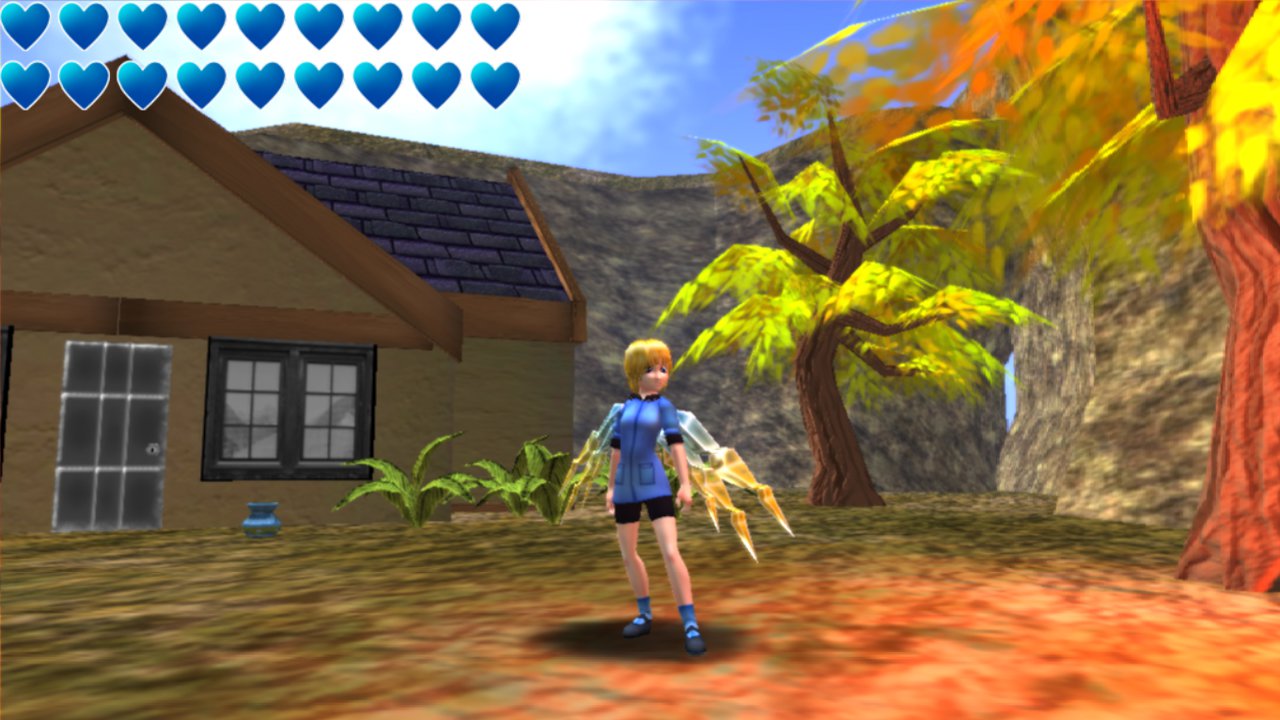
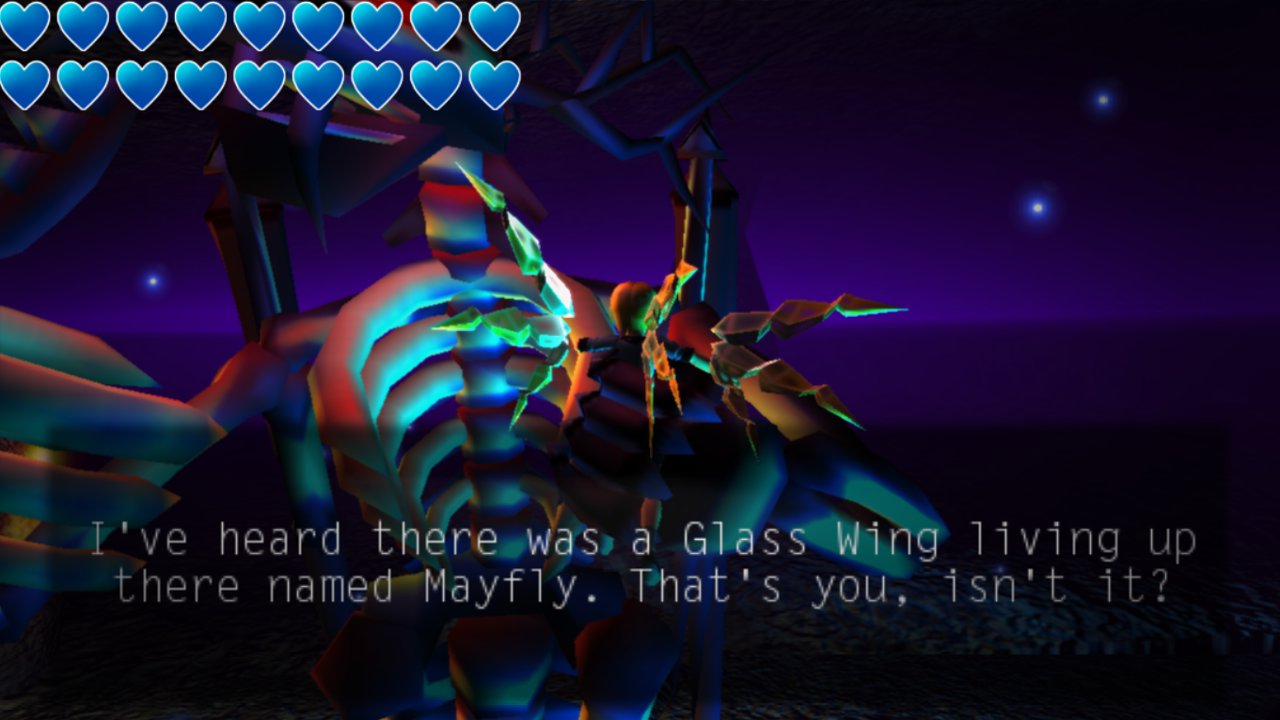
As with many of the N64 adventures, the player finds themselves inhabiting a peaceful, forested fantasy land. Controlling a fairy named Mayfly, it only takes a few minutes of leaping around the green pastures before a demon arrives, kidnaps Mayfly and makes off with her special powers. And so begins the quest to regain her abilities and defeat the bad guy. So far, so Nintendo. With its colourful mix of fairies, monsters and magic, Glass Wing certainly calls to mind the Japanese giant’s more fantastical output of the mid-to-late 1990s.

Glass Wing RPG PC

There’s even the usual 3D platformer pick n’ mix of stage backdrops; stereotypical forest, desert and snow levels are all present and correct. Coupled with familiar visual elements (e.g. warp pipes and Zelda hearts for health), the Nintendo vibe has been well and truly homaged.

Visually, the game sits somewhere between its cited N64 influence and early Dreamcast titles, while a surprisingly adept audio performance rounds out the package. Music-wise it’s a fitting mix of well-produced piano melodies and intense action beats, while the ambient audio cues (those of the enemies in particular) are genuinely effective.

Glass Wing RPG PC

The game itself mostly alternates between Super Mario Sunshine-style platforming void levels and more cerebral Zelda-like environmental puzzling involving item or ability usage. In fact, some of these tasks prove to be quietly ingenious in their implementation, especially for such a no-frills Indie release. The Metroid series also quickly proves to be another clear Nintendo influence with the slow drip feed of accumulated upgrades and abilities.

The game is not without some problems. Camera and control scheme issues plague much of the platforming, a deficiency not helped by the inclusion of an auto-jump feature. Unlike Nintendo’s smooth implementation in Zelda, Mayfly is only too happy to automatically throw herself off ledges and into the void below. Graphics and general presentation are also lacking, although that’s to be somewhat expected for an indie project.

Glass Wing RPG PC

Just like many N64 titles of the era, Glass Wing can be frugal in its dispensing of checkpoints. A possibly deliberate old school design decision, but one that means death often hurtles the player back numerous stages. This, coupled with the clunky controls and aforementioned auto-jump, quickly renders later levels a harsh lesson in abject frustration. A hand-holding modern blockbuster this is not, yet for all the exasperation it’s almost refreshing to return to the challenges of a bygone era. Indeed, the sense of reward upon clearing a particularly white knuckle section almost, almost justifies the preceding frustration.

That’s Glass Wing in a nutshell then; a charming and ambitious indie effort that can infuriate in its idiosyncrasies, but an experience that ultimately leaves a positive impression. Certainly one well worth considering next time it’s spotted in a Steam sale.


Available on Steam, the game’s standard price is £3.99/$4.99/€4.99 and a demo is available.

Glass Wing can be bought through ITCH.IO, where a 125MB free trial can be downloaded and the full-game price is $5.00 (USD).

Filed Under: Games, Reviews Tagged With: Glass Wing, indie, pc, platform, puzzle

Gynophobia Review (PC)

22nd September 2015 By deKay 1 Comment

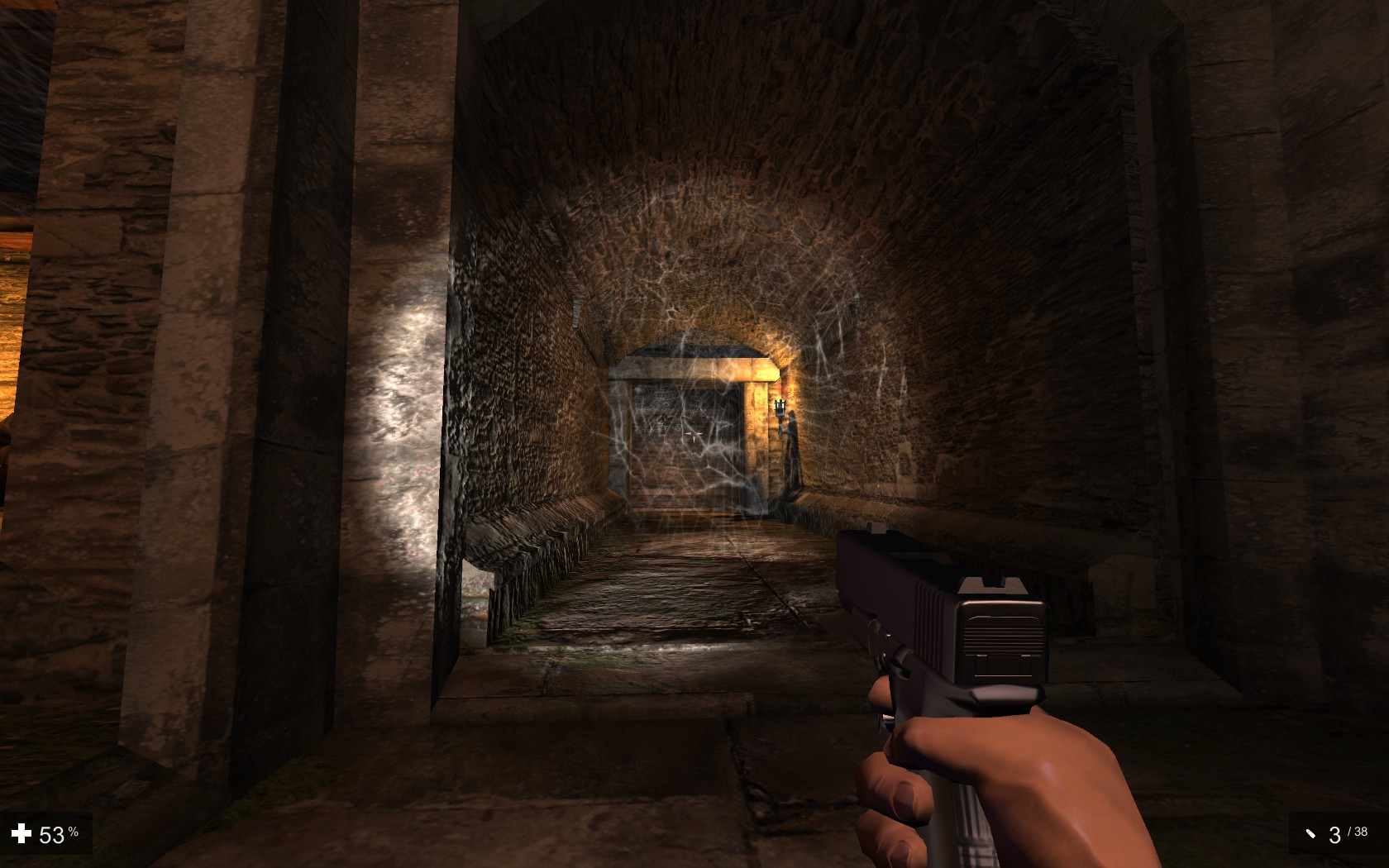
Being afraid of women is exactly the best reason to enter a sewer and shoot a load of zombies. Or so Gynophobia would have you believe, at least.

Mother!

We perversely meet our hero, Mark, in his mother’s bedroom, with her underwear scatted all over the place. Having referenced a classic serial killer stereotype about boys and their mothers, Mark decides to set off and explore his house (which mostly involves clicking on things with the pointer). Mark’s fear extends to visible distress at the sight of spiders, too. So he’s unable to enter his kitchen where one lurks harmlessly. And instead, ends up distracting himself by playing a terrible first-person shooter on his bedroom PC.

gynophobia | disposable media

Mise en abyme…

So begins the game-within-a-game. A short level set in a sewer, filled with zombies with poor AI and dodgy collision detection.

You can, and probably will, stand on their heads and come to no harm while their undead comrades flail at you unsuccessfully. Ammo for your pistol and what appear to be tins of tomatoes for ‘health’ unconvincingly litter the place but rather than stock up, the best course of action is to simply leg it for the exit ladder.

Exit found, you enter a car park in a town occupied by more zombies and for no explained reason, a massive guy with some sort of hammer. He’s not unlike one of the Bad Brothers from Golden Axe and follows you everywhere while you find some wheels and petrol for a van so you can escape. Exactly why Mark can’t just turn the game off is not explained!

Nobody actually cares…

Back in Mark’s house, you can explore some more as the spider has moved on. Eight-legged friend out of the way, you soon trigger the next level by way of a dream sequence. Or is it a dream? Maybe it’s real! Nobody actually cares.

Here, however, you finally confront Mark’s worst fear: women. Shoot them all! Evil women! And some giant spiders for good measure. And so it goes on.

gynophobia pc | disposable media

In 1996, Gynophobia would be near the peak of plot-based FPS action games. In that pre-Half-Life world, a meta story and this sort of action would impress. In 2015, a clumsy, generic Unity asset-based shooter is hardly going to stand out from the crowd – even if that crowd includes Devils Share.

It is clear there’s a vision here, an interesting psychological exploration into the mind of someone with a chronic discomposure of something; but the implementation shows the developer lacks the talent to fully represent this. Weak graphics and shocking AI could be glossed over with a great story or some genuine horror moments, yet Gynophobia lacks these too. What could be on a level with Eternal Darkness is instead a soulless gun game with clear baiting – why chose women as the literal target of the game if not to provoke? There are better ways of handling this, most of which don’t involve filling nurses full of bullets.

Although it is clear somebody – or some group of bodies – has spent a lot of time crafting this sub-par experience, it’s not a game that can be recommended.

If it turns out this was the hobby project of a 13 year-old boy (which this does feel like), then well done him. He’s made a great start in a career in game development. Perhaps once he’s had a bit of counselling, anyway!

If not, then no amount of polish is going to create an acceptable game from this as there is no single issue to repair. Everything needs serious attention and some sort of cohesion. It’s understandable that each section is thematically disparate, but the overarching ‘house exploration’ interludes don’t tie them all together in any defined or considered way. Vagueness and discovery can be used as excellent devices when implemented correctly, see Everybody’s Gone to the Rapture as proof of that, but Gynophobia is a limp collection of poorly realised levels replete with poorly realised gun play, bound together with a poorly realised (and poorly advised) premise.

Avoid.


Gynophobia is listed on Steam for £2.79 and is also currently available as part of a 12-game Indie Gala Hump Day bundle for $4 or more. The Hump Day offer ends at 11:30AM (10:30 CET) on Wednesday.

Filed Under: Games, Reviews Tagged With: anxiety, arachnophobia, fps, gynophobia, pc, steam

Inside My Radio Xbox One Review

18th September 2015 By Robert Knight Leave a Comment

New to Xbox One, Inside My Radio is a game where Guitar Hero meets Donkey Kong. You “journey as a green LED mysteriously trapped inside a dying boombox,” says the description. With music at its heart, IMR’s ultimate aim is to “bring electro, dub and disco music back to life!”

That’s the sort of campaign I can get behind!

Inside My Radio

Inside My Radio was released on Steam back in June and became available for Xbox gamers today.

Where screenshots might suggest a standard left-to-right platform game template, IMR steps into promising and unconventional territory.

Beyond finding your path to the level exit by avoiding obstacles, using the walls in a ‘Parkour’ way through momentary stickiness to maintain a climb or navigating and even influencing sequences of moving platforms, progress comes by ensuring every move you make is timed with a beat of the evolving background music. Noire Blue’s walk-through video demonstrates the Inside My Radio way nicely…

Your power as a player comes in developing an ability to work to the soundtrack’s timing. Each synchronisation will fuel your jumps, give you a dash to traverse gaps between platforms and along with the slam, break obstructing walls.

Enough theory…

Though based on very good ideas, I didn’t find the game quite as enjoyable as I’d hoped.

Initially plenty of fun, both the gameplay and the music started to get a bit repetitive all too quickly. The only thing keeping me interested in IMR was the occasional mini-games – the Guitar Hero-like game shown during the slideshow below, for example.

This slideshow requires JavaScript.

A further positive about Inside My Radio is that it became a game my girlfriend was able to play. Video games most definitely are not her strong point, so that kept her happy! Reservations about repetition aside, it did likewise keep me entertained whilst I waited for Forza Motorsport 5 to update!

Bored clever…

I’m not denying the fact that Inside My Radio has some smart ideas and is even an inventive game – I just got bored of it quite quickly. It’s a shame really, because as I have said, the mini-games are rather enjoyable and making the game easy on the eye, the use of colours and effects is excellent. Another pleasing touch whose value will vary with the player is the wide use of visual and text-based pop culture references. As can only be expected, they’ll be ‘hit or miss’ depending on whether they have any meaning to you, but they are an amusing inclusion nonetheless.

This slideshow requires JavaScript.

If you are a fan of platform games, this one will potentially be highly enjoyable for you. It has all of the elements of a classic platformer and is boosted by that musical twist and lively characterisation. As a lover of music, I thought Inside My Radio would be right up my street, but I guess platform games just aren’t for me.

I think I’ll give it a 6 out of 10, but by all means, do give it a try – and if you do, let us know what you think!


Seaven Studios’ Inside My Radio launches as a digital release for Xbox One today.

Update: IMR is now listed on the Xbox Store with a price of £11.99 and a 1.15GB storage requirement.

It is also available on Steam in Standard and Digital Deluxe Edition form for £10.99 and £13.99 respectively. The Digital Deluxe Edition includes the game soundtrack.

Filed Under: Games, Reviews Tagged With: adventure, iceberg interactive, imr, inside my radio, pc, platform, rhythm, seaven studios, steam, xbox

LEGO Ideas WALL·E Set Review

15th September 2015 By Steve Booth Leave a Comment

There are few more universally loved and critically acclaimed Pixar movies than Wall·E. The 2008 story of a Waste Allocation Load Lifter – Earth Class who finds love and purpose after 700 years alone on a rubbish-covered earth. In case you’ve forgotten the film, here’s a clip.

And seven years later, Wall·E is set to steal our hearts all over again. Only this time he’s made of plastic bricks. The latest LEGO Ideas set is the creation of Angus MacLane, who is not only a huge Adult Fan of LEGO (known as an AFoL), but also happens to have been the Animation Director of Wall·E. So who better to design a kit to undergo LEGO fan voting and approval via the Ideas website before becoming one of the select few to make it into production?

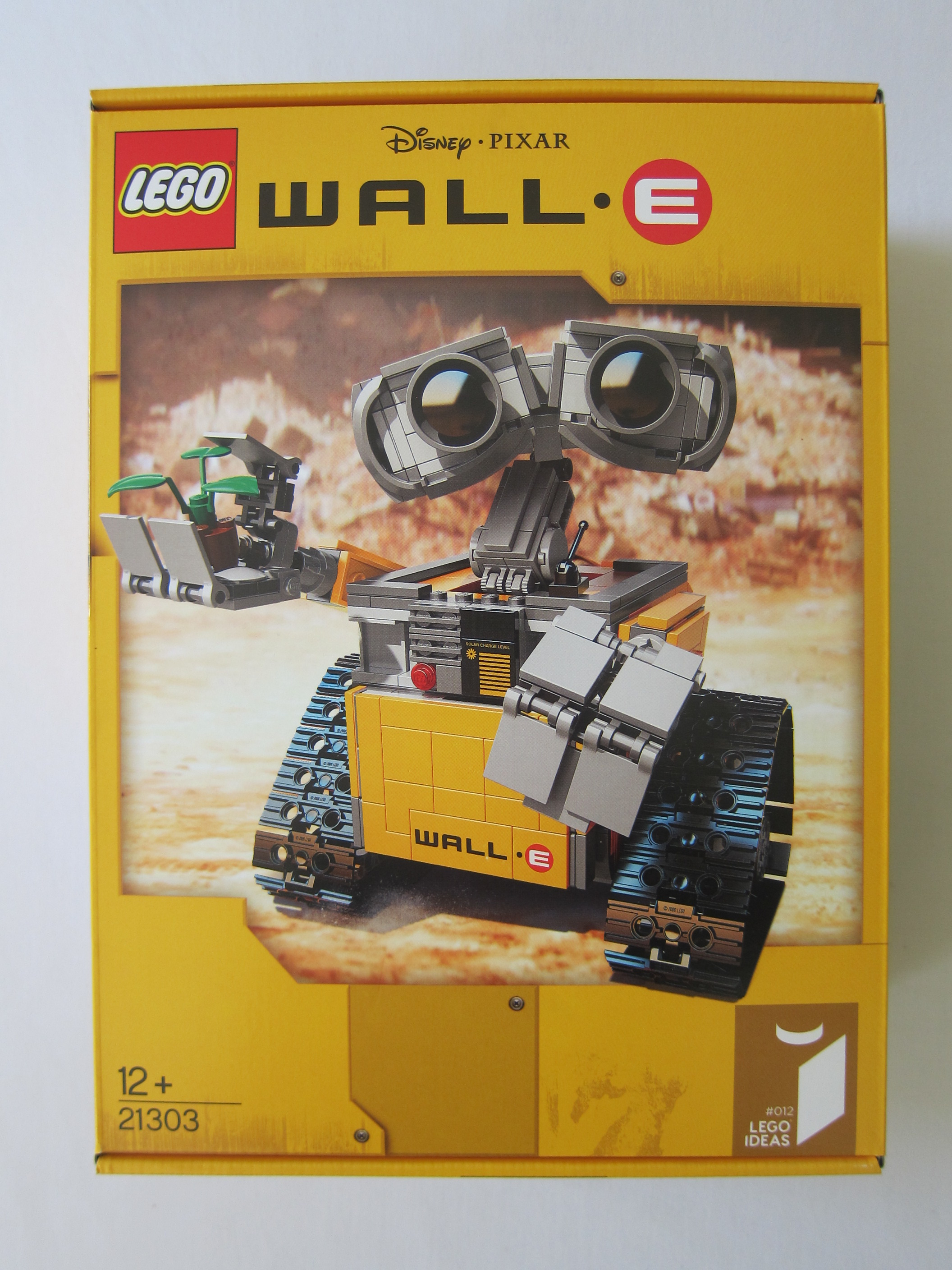
LEGO Ideas Wall·E Set Box Front

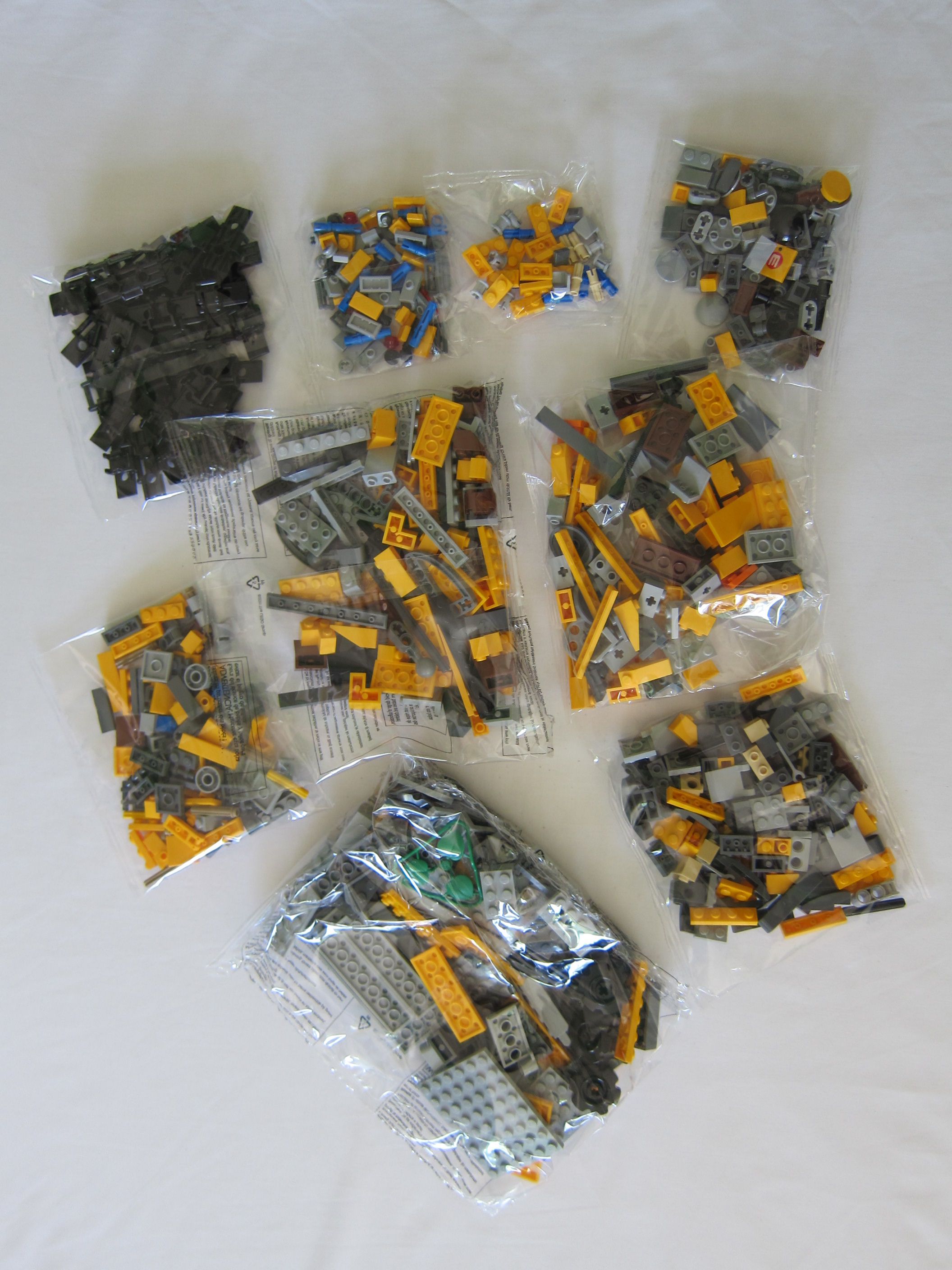
One of the hallmarks of the Ideas range is the high quality of the box and instruction booklet and this kit proves no exception. The box front features a picture of the completed model and is decorated to look like Wall·E’s weathered, rusty exterior. It’s a nice touch. The rear shows the model in a different pose, illustrating some of the articulation available upon completion. As with the other Ideas kits, the manual features information about the origin of the set as well as the source material and provides the step-by-step visual instructions required to transform the almost seven hundred small plastic parts into the final model.

LEGO IDeas Wall·E Set Box Back

Assembling Wall·E is a straight forward process thanks to instructions that are clear and easy to follow. The kit builds up in four stages beginning with the body, before adding the tracks, the head, and finally the arms. Seasoned LEGO builders will find nothing spectacular in the way it pieces together save for some clever techniques used in the construction around the eyes, but the strength of this set becomes clear once the build is finished – it looks outstanding.

LEGO Ideas WALL·E Set Bags LEGO Ideas Wall·E Set Designer Credit

The likeness to the character is uncanny and the use of printed bricks rather than stickers – another hallmark of the Ideas series – means that the lettering on the front of the body looks just as it should. The head rotates and the eyes angle upwards and downwards independently, allowing them to convey a pleasing amount of emotion. The neck is posable and the arms slide backwards and forwards as well as reaching up and down. The hands are particularly well jointed. In another smart touch LEGO have included both the plant and Hal the cockroach from the movie.

LEGO Ideas WALL·E Set Complete Close-Up

Wall·E is not without his minor faults however. His head is a substantial chunk of plastic sat on top of a relatively thin and fragile neck. The free rotation means that when the neck is set to anything other than a horizontal angle it spins around to face the rear. And that can make adjusting his pose somewhat fiddly.

LEGO Ideas Wall·E Set Halfway Built

The tracks are also not without issue. There is too much friction in the sprocket system around which they run meaning that on many surfaces, Wall·E will simply glide along as if on skis. That said, a carpeted surface will provide enough grip for the tracks to revolve, and when they do, they produce a satisfying mechanical noise.

LEGO Ideas Wall·E Set Completed

Wall·E is a love letter in LEGO to both the movie and its hero. As with the Back to the Future and Ghostbusters Ideas sets before it, the ease of assembly and the subject matter will ensure it has an appeal far beyond that of simply being a cool toy. In fact, its foibles make it better suited to being put on display as a piece of movie memorabilia than to being used as a plaything.

With an RRP of £39.99, it’s good value for money. Measuring almost eight inches tall and seven inches wide, the finished article looks fantastic, and is sure to be a neat talking point when friends and family see it sat on the coffee table or mantlepiece. You can order the kit via the LEGO shop – it’s currently out of stock and orders are expected to ship on September 22nd, 2015.


Filed Under: Life, Reviews Tagged With: Disney, LEGO, LEGO Ideas, Pixar, Wall-E, Wall·E

  • « Previous Page
  • 1
  • …
  • 7
  • 8
  • 9
  • 10
  • Next Page »

Get Social

  • Facebook
  • Instagram
  • LinkedIn
  • Medium
  • Pinterest
  • RSS
  • Twitter
  • YouTube

Top Posts & Pages

  • Nier Automata Piano Collections - impressions
  • Dan's Disposable 2020 - Highlights From The Year
  • Narcos Netflix Original Series Review
  • Save on Street Fighter T.N.C 04 Guile Figurine
  • Rogue One: A Star Wars Story Comes to VHS?
  • Backwards Dungeon Crawling – how not to play Metaphor

Ads

Join Us…

  • Facebook
  • Instagram
  • LinkedIn
  • Medium
  • Pinterest
  • RSS
  • Twitter
  • YouTube


Privacy Policy

Cookie Policy

© 2026 Hot Mod Media · Design & Marketing TWOTW

Disposable Media · FPSPrestige · OnlineRaceDriver · The Guitar List · Rescars · Rescogs

We use cookies to ensure that we give you the best experience on our website. If you continue to use this site we will assume that you are happy with it.